In today’s fast-paced digital economy, businesses are under constant pressure to do more with less—less time, fewer resources, and tighter budgets. Organizations must streamline operations, enhance collaboration, and make faster, data-driven decisions to remain competitive. This is where Enterprise Software as a Service (SaaS) comes into play.
Enterprise SaaS solutions have revolutionized how companies operate by offering cloud-based applications that are scalable, cost-effective, and accessible from anywhere. From customer relationship management (CRM) systems to enterprise resource planning (ERP) tools, SaaS platforms empower organizations to automate processes, improve workflows, and boost overall productivity.
This article explores how enterprise SaaS improves productivity and efficiency, the key benefits it offers, and how businesses can leverage it to achieve operational excellence.
What Is Enterprise SaaS?
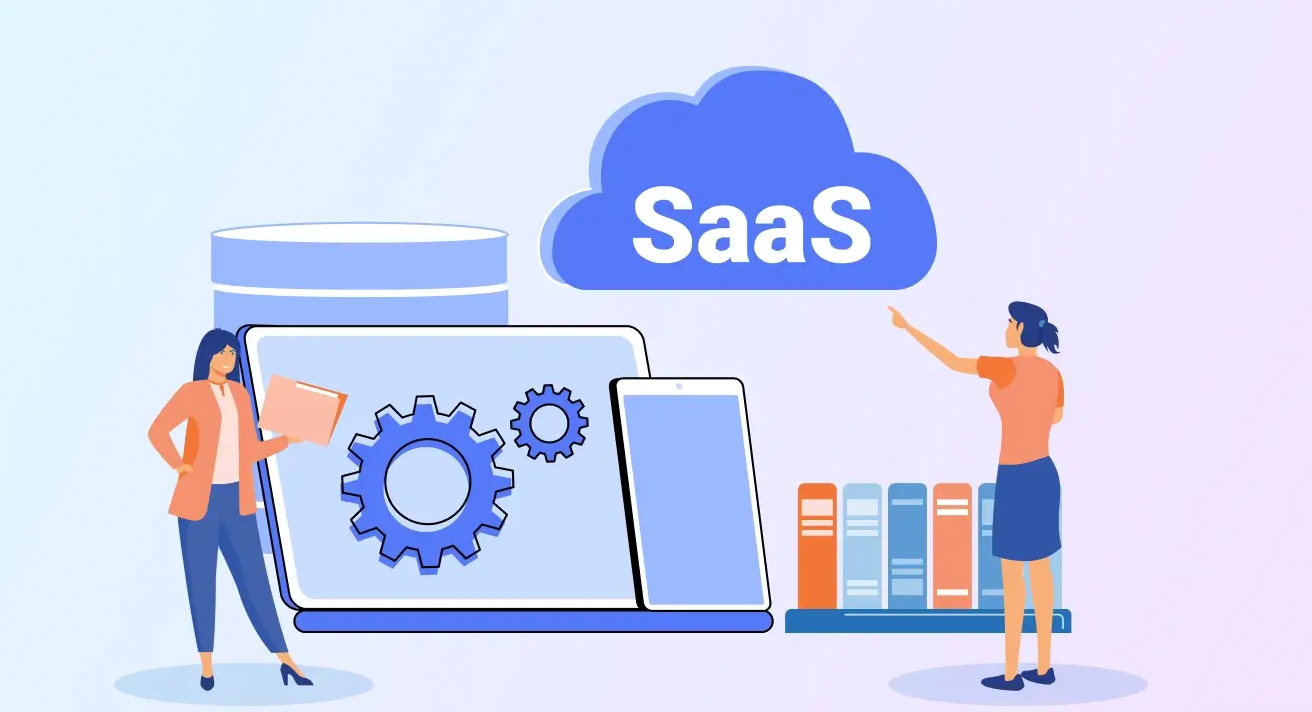
Enterprise SaaS refers to cloud-based software solutions designed specifically for large organizations. Unlike traditional on-premise software, SaaS applications are hosted on remote servers and delivered over the internet. This eliminates the need for complex installations, hardware maintenance, and manual updates.
Common examples of enterprise SaaS include:
- CRM platforms
- HR management systems
- Project management tools
- Accounting and finance software
- Collaboration and communication platforms
These tools are designed to integrate seamlessly into business ecosystems, enabling departments to work cohesively and efficiently.
The Role of SaaS in Modern Business Operations
Enterprise SaaS plays a crucial role in modern business operations by:
- Centralizing data and workflows
- Automating repetitive tasks
- Enabling real-time collaboration
- Providing actionable insights through analytics
With digital transformation becoming a priority, SaaS solutions are no longer optional—they are essential for businesses aiming to scale and innovate.
Key Ways Enterprise SaaS Improves Productivity
1. Automation of Repetitive Tasks
One of the biggest productivity killers in any organization is manual, repetitive work. Tasks such as data entry, report generation, and email follow-ups consume valuable time.
Enterprise SaaS platforms automate these processes, allowing employees to focus on more strategic activities. For example:
- Automated invoicing systems reduce manual billing efforts
- CRM tools automate lead tracking and follow-ups
- HR systems streamline payroll and attendance management
Automation not only saves time but also minimizes human error, ensuring more accurate outcomes.
2. Real-Time Collaboration
Modern businesses often operate across multiple locations and time zones. Traditional communication methods can slow down workflows and create bottlenecks.
Enterprise SaaS tools enable real-time collaboration by providing:
- Shared workspaces
- Instant messaging
- Video conferencing
- Document collaboration
Teams can work simultaneously on projects, share updates instantly, and make decisions faster. This eliminates delays and enhances overall productivity.
3. Accessibility and Mobility
One of the defining features of SaaS is its accessibility. Employees can access applications and data from any device with an internet connection.
This flexibility allows:
- Remote work and hybrid work models
- On-the-go decision-making
- Increased responsiveness to business needs
Employees are no longer tied to office environments, leading to improved efficiency and work-life balance.
4. Centralized Data Management
Data silos are a major obstacle to productivity. When information is scattered across multiple systems, it becomes difficult to access and analyze.
Enterprise SaaS solutions centralize data into a single platform, providing:
- A unified view of operations
- Easy data retrieval
- Improved data accuracy
With centralized data, teams can collaborate more effectively and make informed decisions quickly.
5. Faster Implementation and Deployment
Traditional software deployments can take months or even years. In contrast, SaaS solutions can be implemented بسرعة, often within days or weeks.
Benefits include:
- Reduced downtime
- Quick onboarding of employees
- Faster time-to-value
Businesses can start using the software almost immediately, accelerating productivity gains.
6. Integration with Other Tools
Enterprise SaaS platforms are designed to integrate seamlessly with other business tools. This creates a connected ecosystem where data flows smoothly between systems.
For example:
- CRM integrates with email marketing tools
- Accounting software connects with payment gateways
- Project management tools sync with communication platforms
Integration eliminates duplicate work and ensures consistency across processes.
7. Advanced Analytics and Reporting
Data-driven decision-making is essential for efficiency. Enterprise SaaS platforms provide powerful analytics and reporting features that help organizations:
- Track performance metrics
- Identify bottlenecks
- Forecast trends
With real-time insights, managers can make informed decisions and optimize workflows.
8. Scalability and Flexibility
As businesses grow, their needs evolve. Enterprise SaaS solutions offer scalability, allowing organizations to:
- Add or remove users بسهولة
- Upgrade features as needed
- Expand operations without major infrastructure changes
This flexibility ensures that businesses can adapt quickly without compromising productivity.
How Enterprise SaaS Enhances Efficiency
1. Cost Efficiency
Enterprise SaaS eliminates the need for:
- Expensive hardware
- IT maintenance
- Software upgrades
Instead, businesses pay a subscription fee, making costs predictable and manageable.
2. Reduced IT Burden
With SaaS, the service provider handles:
- System maintenance
- Security updates
- Bug fixes
This reduces the workload on internal IT teams, allowing them to focus on strategic initiatives.
3. Improved Workflow Management
SaaS tools provide structured workflows that ensure tasks are completed efficiently. Features like:
- Task assignment
- Progress tracking
- Deadline management
help teams stay organized and productive.
4. Enhanced Security and Compliance
Enterprise SaaS providers invest heavily in security measures, including:
- Data encryption
- Multi-factor authentication
- Regular security audits
This ensures that sensitive business data is protected while maintaining compliance with regulations.
5. Better Customer Experience
Efficiency improvements translate directly into better customer experiences. SaaS tools enable businesses to:
- Respond بسرعة to customer inquiries
- Personalize interactions
- Deliver consistent service
Satisfied customers lead to increased loyalty and revenue.
Industry Use Cases of Enterprise SaaS
1. Healthcare
SaaS platforms help healthcare providers manage patient records, schedule appointments, and analyze data for better outcomes.
2. Finance
Financial institutions use SaaS for:
- Risk management
- Fraud detection
- Real-time reporting
3. Retail
Retail businesses leverage SaaS for:
- Inventory management
- Sales tracking
- Customer engagement
4. Manufacturing
Manufacturers use SaaS to optimize:
- Supply chain operations
- Production planning
- Quality control
Challenges and Considerations
While enterprise SaaS offers numerous benefits, businesses should also consider potential challenges:
1. Data Security Concerns
Although SaaS providers offer strong security, organizations must ensure compliance with internal policies.
2. Internet Dependency
SaaS applications require reliable internet connectivity.
3. Vendor Lock-In
Switching providers can be complex, so choosing the right vendor is crucial.
4. Customization Limitations
Some SaaS solutions may not offer the same level of customization as on-premise software.
Best Practices for Implementing Enterprise SaaS
To maximize productivity and efficiency, businesses should follow these best practices:
1. Define Clear Objectives
Identify specific goals for implementing SaaS solutions.
2. Choose the Right Platform
Evaluate vendors based on features, scalability, and support.
3. Train Employees
Ensure that staff are well-trained to use the software effectively.
4. Monitor Performance
Track key performance indicators (KPIs) to measure success.
5. Ensure Integration
Select tools that integrate seamlessly with existing systems.
The Future of Enterprise SaaS
The future of enterprise SaaS is promising, with emerging technologies such as:
- Artificial Intelligence (AI)
- Machine Learning (ML)
- Automation and Robotic Process Automation (RPA)
These innovations will further enhance productivity by enabling smarter workflows, predictive analytics, and autonomous decision-making.
Conclusion
Enterprise SaaS has become a cornerstone of modern business operations, offering powerful tools that enhance productivity and efficiency. By automating tasks, enabling real-time collaboration, and providing actionable insights, SaaS solutions empower organizations to achieve more in less time.
As businesses continue to embrace digital transformation, the adoption of enterprise SaaS will only grow. Organizations that leverage these tools effectively will gain a competitive edge, streamline operations, and drive sustainable growth.